Overflowing Gutters in Louisville? Causes and How to Fix Them
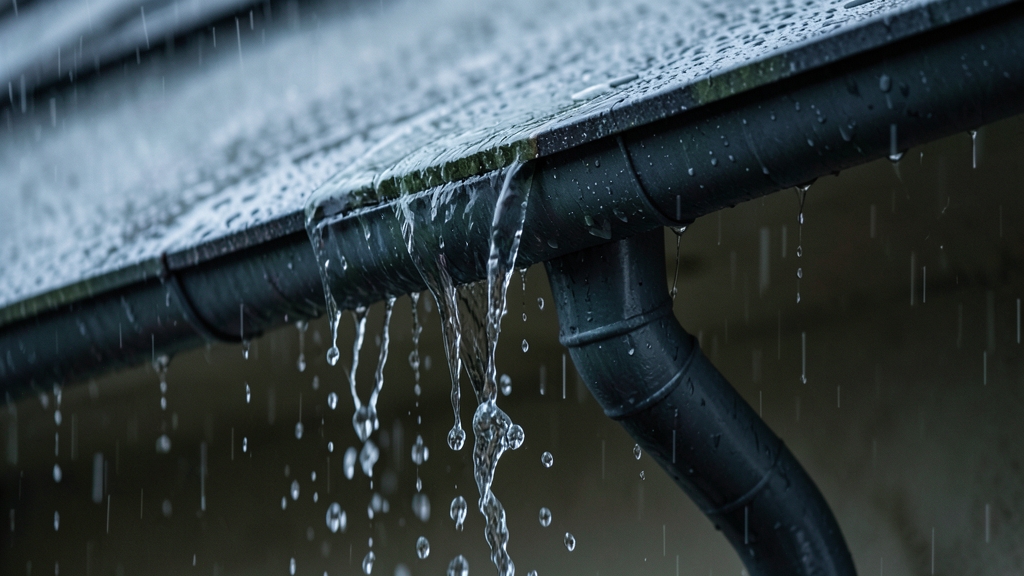
Overflowing gutters are a common headache for Louisville homeowners, especially during heavy rain or storm seasons. When water spills over the sides instead of flowing through downspouts, it can lead to foundation erosion, basement flooding, or even damage to your roof and siding.
We’ve seen it all—from clogged K-style gutters in St. Matthews to undersized downspouts in Jeffersontown. Here’s how to diagnose the problem and decide whether it’s a DIY fix or a job for our team.
Why Do Louisville Gutters Overflow?
Clogged Gutters and Downspouts
Louisville’s heavy tree canopy means leaves, twigs, and seed pods collect quickly in gutters. Over time, debris builds up and blocks water flow. Even partial clogs can cause water to pool and spill over the edges.
How to diagnose: Inspect your gutters after rain. If water sits or drips over the sides, clogs are likely.
DIY fix: Use a ladder to remove debris by hand (wear gloves) or a gutter scoop. For downspouts, a plumber’s snake or hose can flush out blockages. If you’re uncomfortable on a ladder or have a multi-story home, it’s safer to call a pro.
Incorrect Slope or Pitch
Gutters need a slight slope (about ¼ inch per 10 feet) toward downspouts to ensure water flows properly. Older Louisville homes sometimes have gutters that were installed level or have settled over time.
How to diagnose: Use a level tool to check the gutter’s angle. If water pools in sections, the slope is off.
Fix: This requires gutter resealing and resloping. Adjusting the hangers to create the right pitch isn’t a simple DIY task—it often needs professional tools and expertise to avoid damaging the fascia.
Undersized or Clogged Downspouts
If your downspouts are too small for your roof’s square footage or the Kentucky climate’s heavy rainfall, they can’t handle the volume. Similarly, downspouts clogged with debris or bent at the elbows will restrict flow.
How to diagnose: Watch downspouts during rain. If water backs up or spills from the top, they’re either clogged or too small.
DIY fix: Clear clogs with a hose or snake. If downspouts are dented, replace the damaged section.
Pro fix: For undersized downspouts, our team can install larger ones (e.g., 3x4-inch for most residential homes) or add extra downspouts to handle Louisville’s stormwater.
Damaged or Separated Seams
Aluminum and copper gutters expand and contract with temperature swings—common in Kentucky’s humid summers and cold winters. Over time, seams can separate or seals can fail, causing leaks.
How to diagnose: Look for drips at seam joints during or after rain.
DIY fix: Small leaks can be temporarily sealed with waterproof gutter sealant.
Pro fix: For long-term solutions, we reseal seams with professional-grade materials or replace damaged sections. Check our Gutter Resealing & Resloping service for details.
Fascia or Soffit Rot
If gutters overflow consistently, water can soak into the fascia (the board behind the gutter) or soffit (the underside of the roof overhang). Rotting wood weakens the gutter’s attachment, causing sagging or detachment.
How to diagnose: Inspect the fascia for peeling paint, soft spots, or mold. Soffits may show water stains or sagging.
Fix: This requires gutter repair or replacement of the damaged fascia/soffit. Ignoring it can lead to costly roof or structural damage. Our Gutter Repair team can assess and fix the issue before it worsens.
Ice Dams in Winter
Louisville’s occasional freezing temps can create ice dams at the roof’s edge, blocking water flow. Melted snow refreezes at the colder eaves, forcing water to pool and overflow.
How to diagnose: Icicles hanging from gutters or water stains on exterior walls after thaws.
DIY fix: Safely remove snow from the roof’s edge with a roof rake (from the ground). Avoid chipping at ice, which can damage gutters.
Pro fix: Improve attic insulation and ventilation to prevent ice dams long-term. For immediate help, our Storm Damage Gutter Cleanup service can clear ice and debris safely.
When to DIY vs. Call a Louisville Gutter Pro
| Issue | DIY-Friendly? | When to Call Us |
|---|---|---|
| Minor clogs | Yes | Multi-story homes or stubborn clogs |
| Downspout clogs | Yes | Bent or collapsed downspouts |
| Small seam leaks | Temporary fix | Persistent leaks or large separations |
| Incorrect slope | No | Always—requires resloping |
| Fascia/soffit rot | No | Structural repairs needed |
| Ice dams | Partial | Large or recurring ice dams |
| Undersized downspouts | No | Professional replacement |
For most overflow issues, a thorough gutter cleaning can prevent 80% of problems. But if your gutters overflow even after cleaning, the issue likely requires repair, resealing, or resloping.
Preventing Future Overflow in Louisville
- Regular cleaning: Schedule Gutter Cleaning at least twice a year—more if you have overhanging trees.
- Gutter guards: Consider Gutter Guard Installation to reduce debris buildup (though they still need occasional checks).
- Inspections: A Roof & Gutter Inspection can catch slope issues, rust, or early signs of fascia rot.
- Downspout maintenance: Ensure downspouts extend at least 5 feet from your foundation to prevent erosion.
Louisville’s mix of humidity, storms, and mature trees means gutters work overtime. Don’t wait until overflow causes water damage to your home’s foundation or basement.
Need help diagnosing or fixing your overflowing gutters? Request a free quote today—our team serves Louisville, St. Matthews, Jeffersontown, Middletown, and beyond.