When to Clean Your Gutters in Louisville: A Seasonal Guide for Kentucky Homeowners
Kentucky’s climate keeps gutters busy. Between spring pollen, summer storms, fall’s famous leaf drop, and winter’s freeze-thaw cycles, Louisville homes need a smart, seasonal rhythm to avoid clogs, ice dams, and water damage. Here’s our month-by-month guide to keeping your gutters—and your home—protected year-round.
Spring: Pollen, Seeds, and Storm Prep
March: Early Inspection
Louisville’s early spring brings unpredictable weather. Start with a visual check from the ground: look for sagging sections, loose downspouts, or overflow marks. Winter’s freeze-thaw cycles may have shifted gutter alignment, so catch issues before April showers hit.
April: Post-Pollen Cleanout
By mid-April, pollen coats everything—including your gutters. This sticky layer traps seeds and debris, clogging downspouts fast. A thorough gutter cleaning now prevents spring rains from overflowing and damaging fascia or siding. Don’t forget to flush downspouts to ensure proper drainage away from your foundation.
May: Storm Season Readiness
Kentucky’s storm season ramps up in May, with heavy rains and wind that test your gutters’ capacity. Clear any lingering debris, and check that downspouts direct water at least 5–10 feet from your home’s base. If your gutters struggle with volume, consider gutter guard installation to reduce future clogs.
Summer: Sudden Storms and Humidity
June–July: Post-Storm Checks
Louisville’s summer storms are intense but brief. After each major downpour, do a quick ground-level inspection. Look for:
- Overflowing gutters (sign of clogs)
- Water pooling near the foundation
- Loose or detached downspouts
If you spot issues, schedule a downspout cleaning & repair before the next storm. The Ohio River’s humidity also promotes mold and mildew—another reason to keep gutters flowing freely.
August: Late-Summer Maintenance
Late summer is quieter for debris, but it’s a good time to address any wear. Check for:
- Rust on aluminum gutters
- Separating seams
- Peeling paint on fascia/soffit (a sign of trapped moisture)
Small fixes now prevent bigger gutter repair needs later.
Fall: The Leaf Drop Marathon
September: Pre-Leaf Prep
Louisville’s tree canopy is dense, and fall foliage starts early. Beat the rush with a late-summer cleaning. Clear gutters and downspouts so they’re ready for October’s leaf avalanche. If your home is surrounded by mature trees (common in neighborhoods like St. Matthews or Prospect), consider more frequent cleanings.
October: Peak Leaf Season
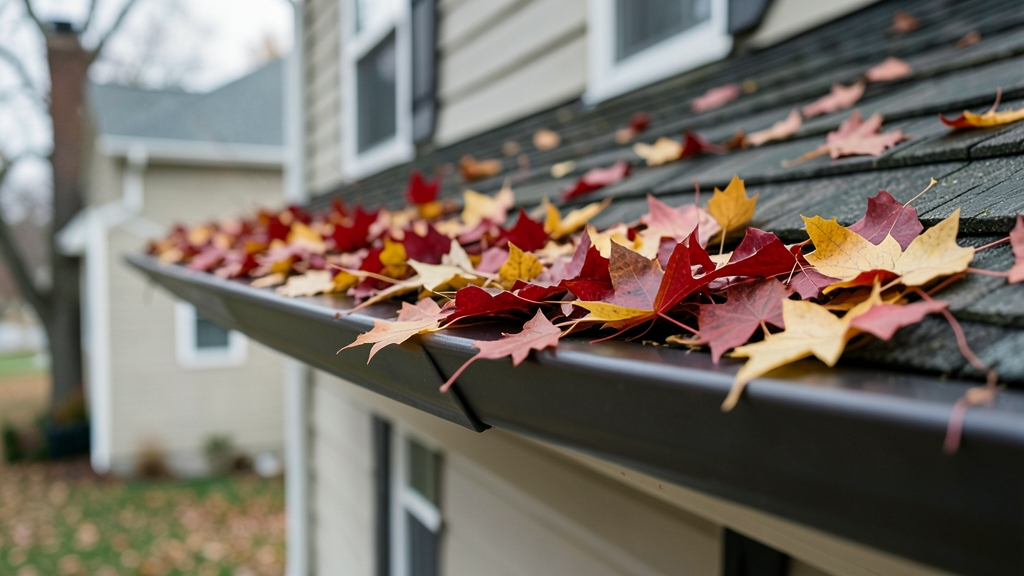
This is the busiest month for gutters in KY. Maple, oak, and sycamore leaves fill gutters fast, and if left unchecked, they’ll clog downspouts and cause overflow. Aim for two cleanings in October—one at the start and another mid-month. If you’re tired of the cycle, gutter guards can drastically reduce the workload.
November: Final Fall Cleanout
After the last leaves fall, do a final sweep. Wet leaves left in gutters over winter can freeze, leading to ice dams that damage roof edges and fascia. A thorough November cleaning sets you up for winter success.
Winter: Ice Dams and Freeze-Thaw Risks
December–February: Watch for Ice Dams
Louisville’s winters fluctuate between freezing and thawing, perfect conditions for ice dams. These form when heat escapes from attics, melting snow on the roof, which then refreezes at the colder eaves. Clogged gutters make this worse by trapping water.
Prevention tips:
- Ensure attic insulation and ventilation are adequate.
- Keep gutters clear of debris (even in winter).
- After storms, check for icicles or ice buildup—signs of poor drainage.
If you spot ice dams, address them quickly to avoid roof leaks or fascia rot. In extreme cases, a roof & gutter inspection can identify vulnerabilities before they cause costly damage.
Year-Round Louisville Considerations
Older Homes and Historic Neighborhoods
Many Louisville homes—especially in areas like Old Louisville or the Highlands—have older gutter systems. These may be made of copper or half-round styles, which require gentle cleaning to avoid damage. Regular maintenance is key to preserving both function and curb appeal.
Kentucky’s Tree Canopy
Louisville’s urban forest is one of its prides, but it’s also a gutter’s worst enemy. If your property has large trees, plan for quarterly cleanings at minimum. For homes in heavily wooded areas like Jeffersontown or Middletown, a gutter guard system can be a game-changer.
Downspout Drainage
No matter the season, downspouts must direct water away from your foundation. In Louisville’s clay-heavy soil, poor drainage leads to basement flooding or foundation erosion. Extend downspouts if needed, and ensure they’re not clogged at the base.
The Bottom Line: Your Louisville Gutter Cleaning Schedule
| Season | Key Months | Focus Areas | Recommended Action |
|---|---|---|---|
| Spring | March–May | Pollen, seeds, storm prep | Inspect, clean, check downspouts |
| Summer | June–August | Storm debris, humidity | Post-storm checks, minor repairs |
| Fall | September–November | Leaf buildup, ice dam prevention | Bi-weekly cleanings in October, final November sweep |
| Winter | December–February | Ice dams, freeze-thaw damage | Monitor for icicles, ensure clear gutters |
Protect Your Home—Schedule Your Cleaning Today
Gutters are your home’s first line of defense against water damage, but they can’t do their job if they’re clogged or damaged. Louisville’s unique climate and heavy tree cover demand a proactive approach.
Ready to stay ahead of the seasons? Request a free quote for professional gutter cleaning and keep your home safe year-round. Our team knows Kentucky’s rhythms—and we’re here to help.